01
Remember
Seventy-five years on, the cost is easy to forget. We keep it in plain sight — the winter, the long retreat, and the ships that turned back for the docks at Hŭngnam.
A Korean American pledge of gratitude
The Korean War Is Not Forgotten.
Operation Chromite is where American Spinning Works explains why American manufacturing matters: not only as supply chain strategy, but as remembrance, respect, and a promise to build with purpose.
Remembrance first
American Spinning Works is a company, but it does not begin like one. It begins with remembrance — for the soldiers who fought, the allies who came when they were asked, and the families, like mine, who were carried out alive.
As a Korean American, I am here because people I never met chose to stand for Korea. American Spinning Works is built with that memory in mind. We build in America not only because it is practical, but because it is a way to honor sacrifice with work, responsibility, and permanence.
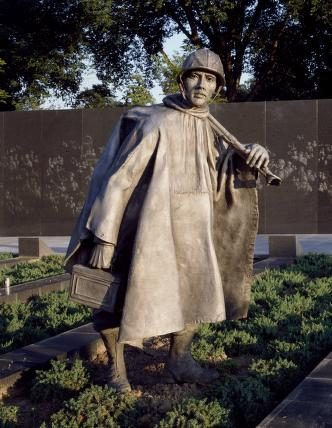
Seventy-five years on, the cost is easy to forget. We keep it in plain sight — the winter, the long retreat, and the ships that turned back for the docks at Hŭngnam.
Said plainly, without exaggeration: America stood for a country it had never seen, and my family lived because of it. Thank you is the least we owe.
Gratitude that stays in words is cheap. We answer it with work — rebuilding American cotton-spinning capacity, and the jobs that come back with it.
Why this is personal
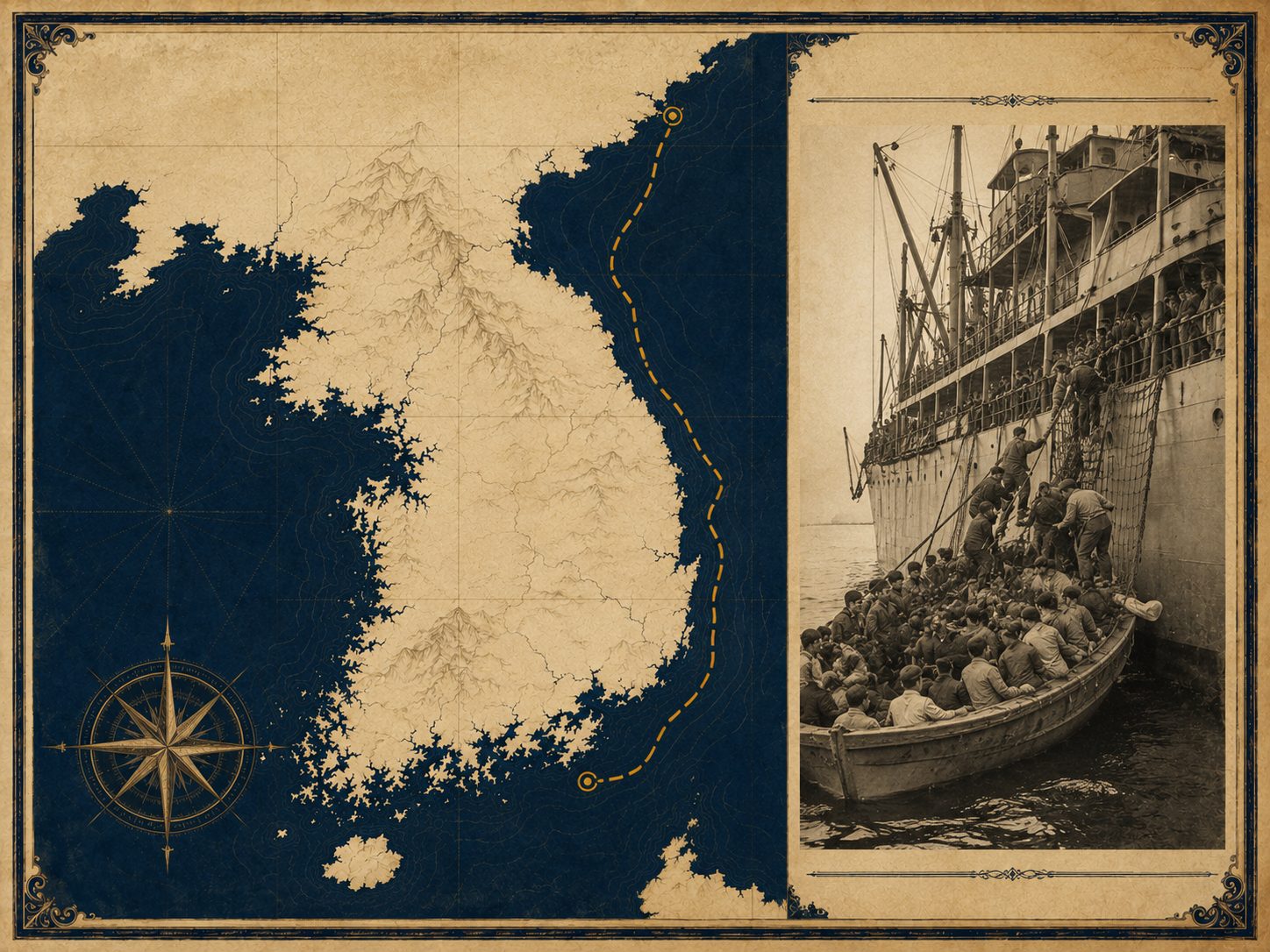
Operation Chromite isn’t a marketing name. It runs from a port in Korea in 1950 to a harbor in Los Angeles today — and straight through my own family. The same three words — remember, thank, build — told this time as one story.
Remember Hŭngnam · December 1950
As Chinese divisions closed on the North Korean port of Hŭngnam, American and allied vessels lifted nearly 100,000 civilians off the docks in one of the largest sea rescues in history. My grandfather was among the refugees carried south to safety. I am here because those ships turned around.
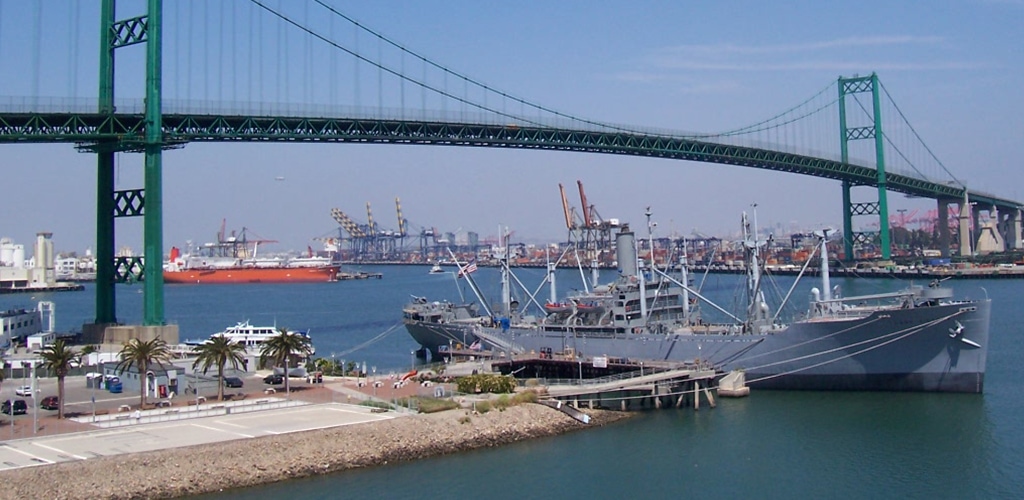
Thank The Victory ships
The rescue was run on Victory ships — fast wartime cargo vessels pressed into the sealift. One of the last afloat, the SS Lane Victory, is moored today in the Port of Los Angeles, a short drive from where American Spinning Works builds. The vessel that stands for that rescue rests in our own backyard.
Build The return
America spun the thread of that rescue. Operation Chromite is how we spin it again — rebuilding cotton-yarn capacity on American soil, with the jobs that come with it. Gratitude repaid not in words, but in work — stroke by stroke.
Perseverance
I am Korean American. My family story is tied to the freedom protected by American service members, Korean soldiers, and United Nations allies during the Korean War. American Spinning Works is my way to turn appreciation into work: to make, build, employ, and contribute here in America.
Freedom is not free. The Korean War is not forgotten. That memory is exactly why we are bringing cotton spinning back to American soil — here is the case for how.
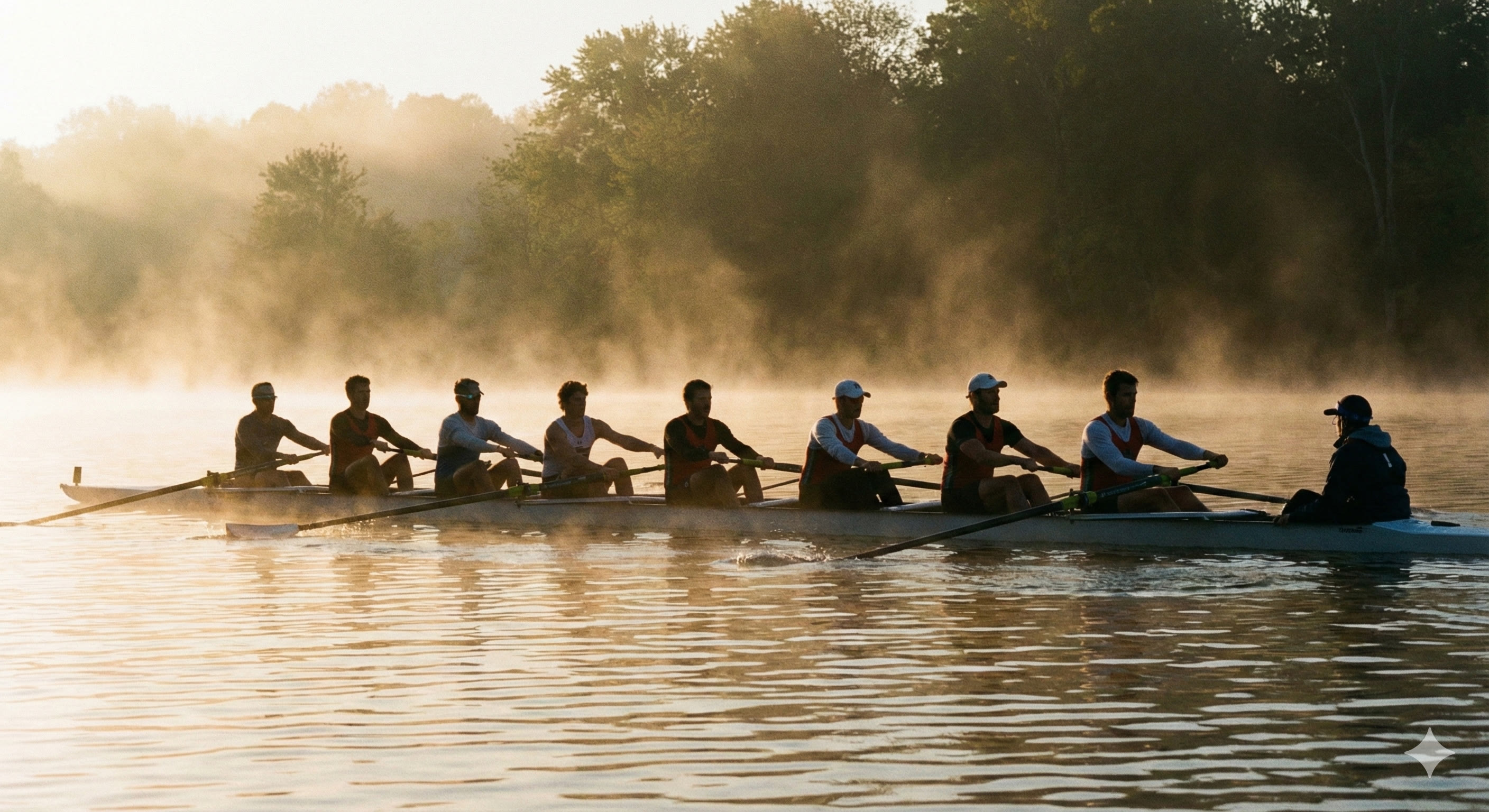
I learned perseverance on the water. A racing shell only moves when the whole crew pulls as one — and the race is won by the boat that refuses to quit. We are building American Spinning Works the same way: together, and without stopping.
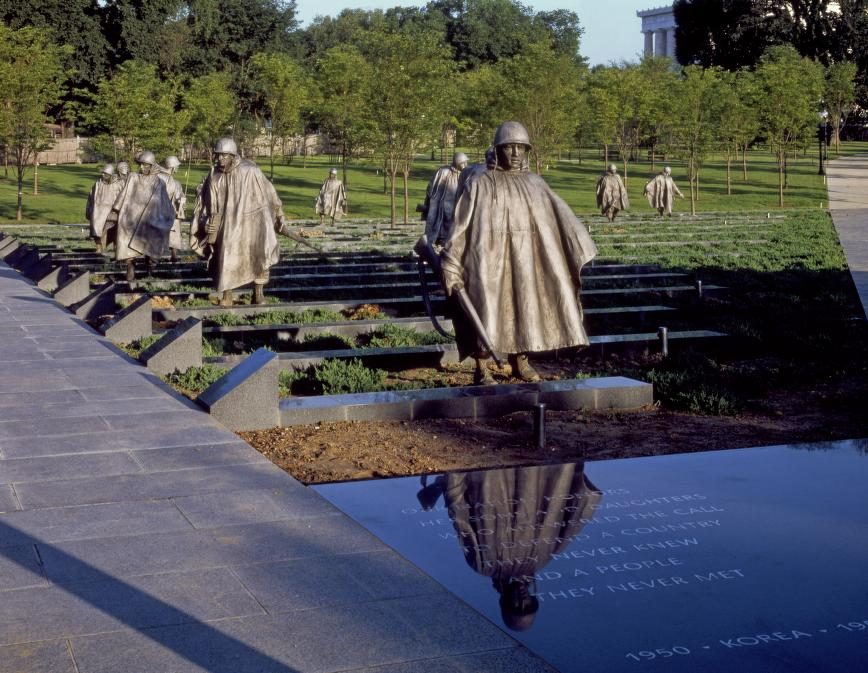
Memorial photographs from the Carol M. Highsmith Archive, Library of Congress, Prints & Photographs Division. Note before publishing: the Korean War Veterans Memorial “Field of Service” sculptures are copyrighted (Frank Gaylord); even a public-domain photograph of them may carry derivative-work risk for commercial use — verify clearance. The inscription wall and the historic Lane Victory / Hŭngnam imagery are the lower-risk options.