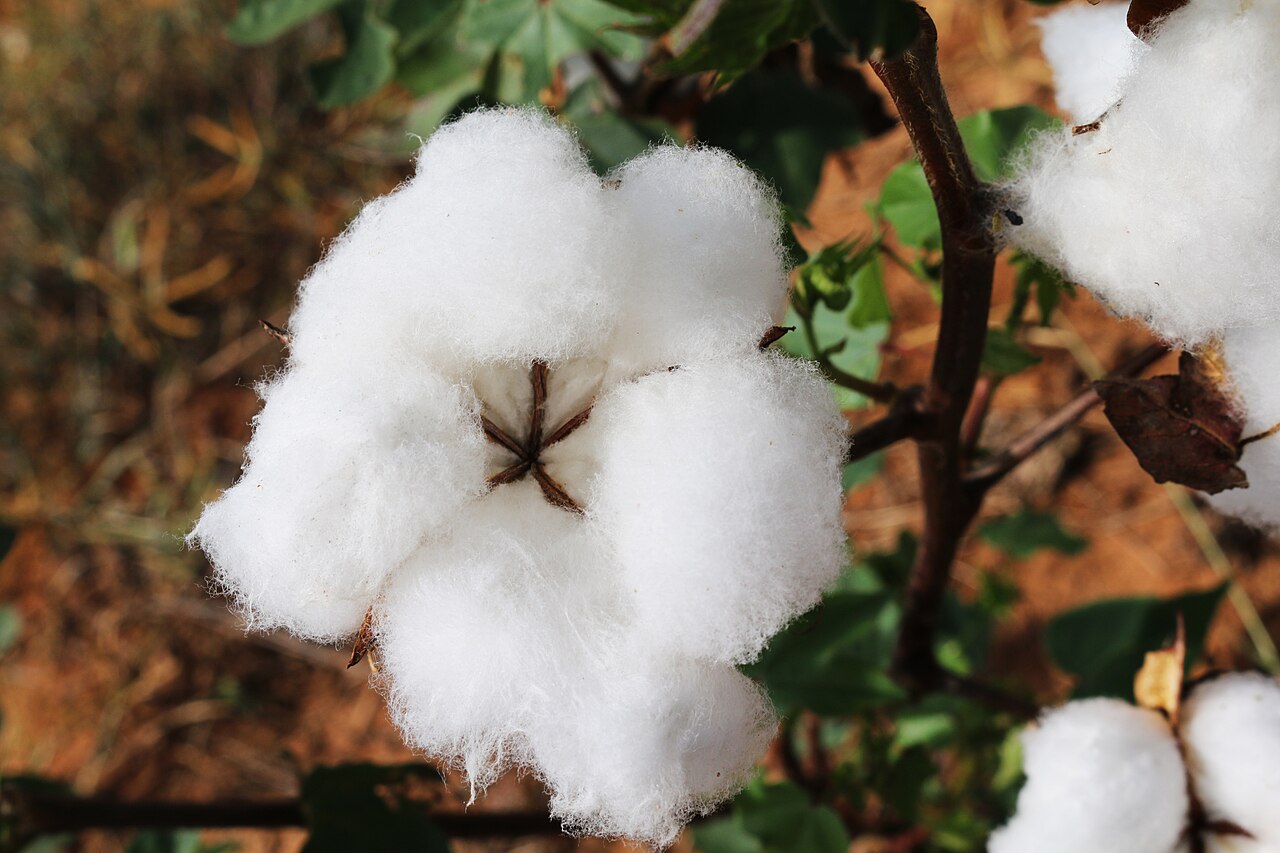
01 · Fiber
Raw Pima cotton
$1.50 / lbPremium fiber is already grown and baled in Arizona.
Premium Pima leaves the country before its most important transformation: spinning. The result is a longer supply chain, a missing industrial link, and American value that compounds somewhere else.
Cotton is not the missing ingredient. The missing step is turning that cotton into premium yarn here at home.
Premium fiber is already grown and baled in Arizona.
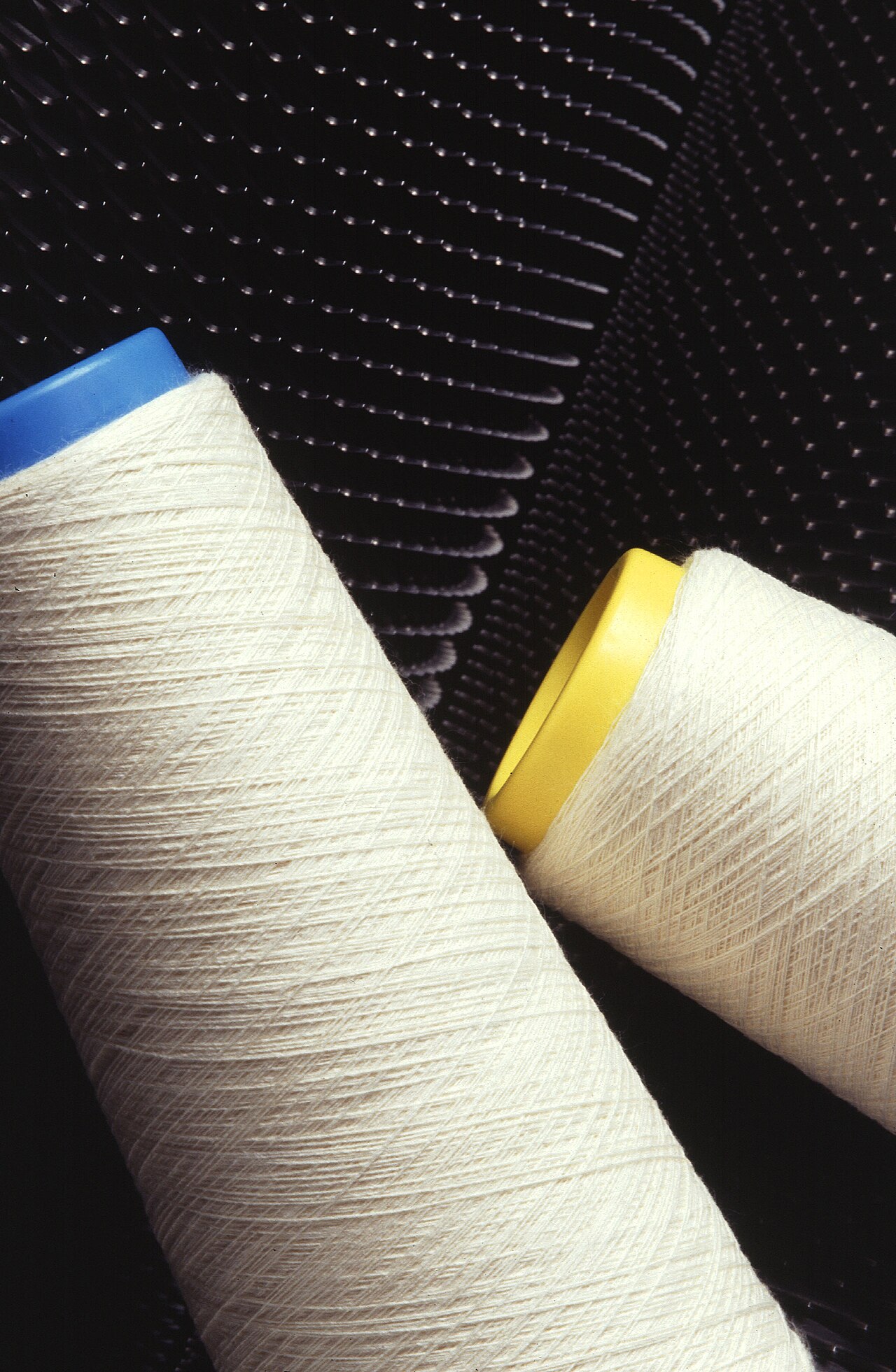
The pivotal transformation: loose fiber becomes premium, usable yarn.
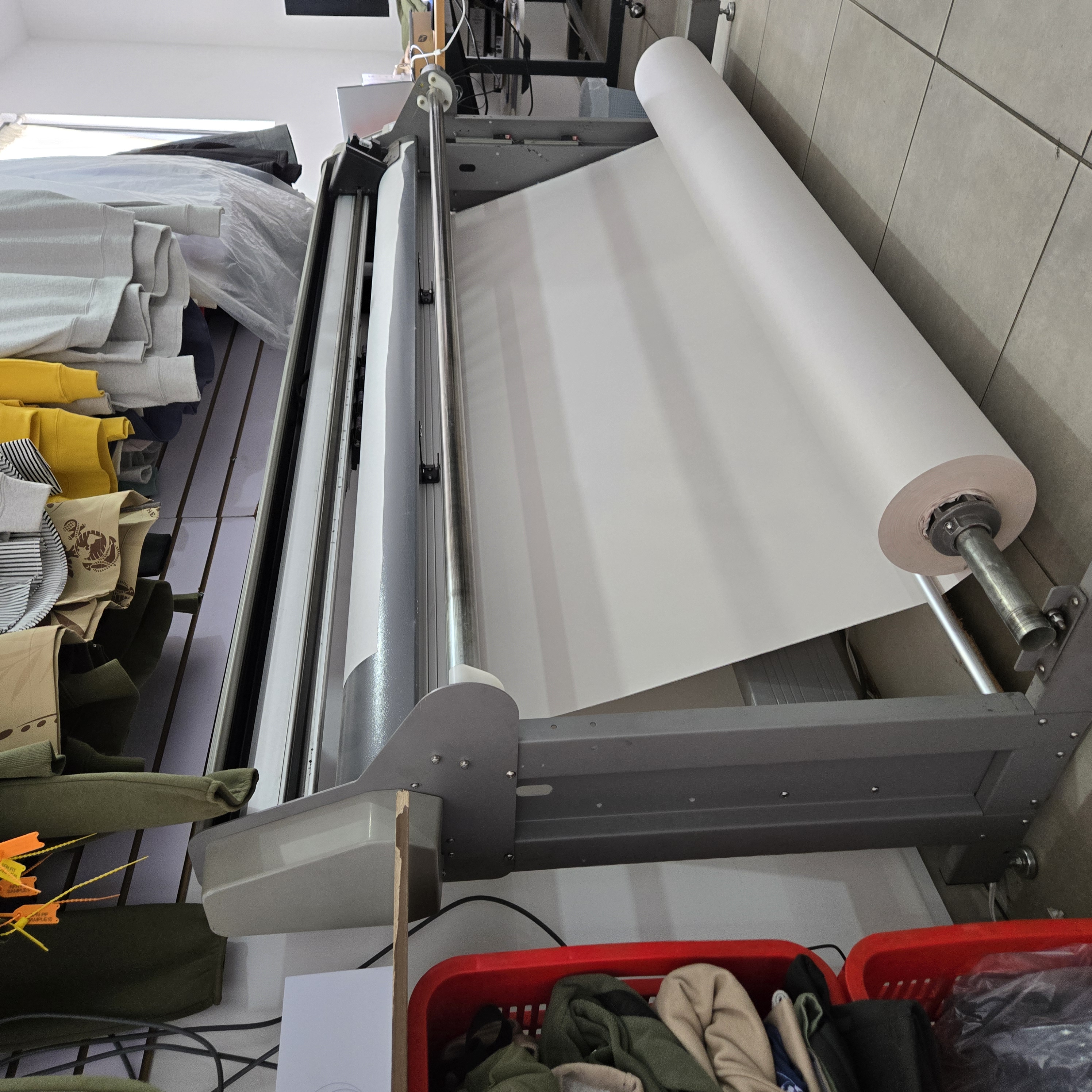
Knitting, cutting, sewing and retail compound the value created after spinning.
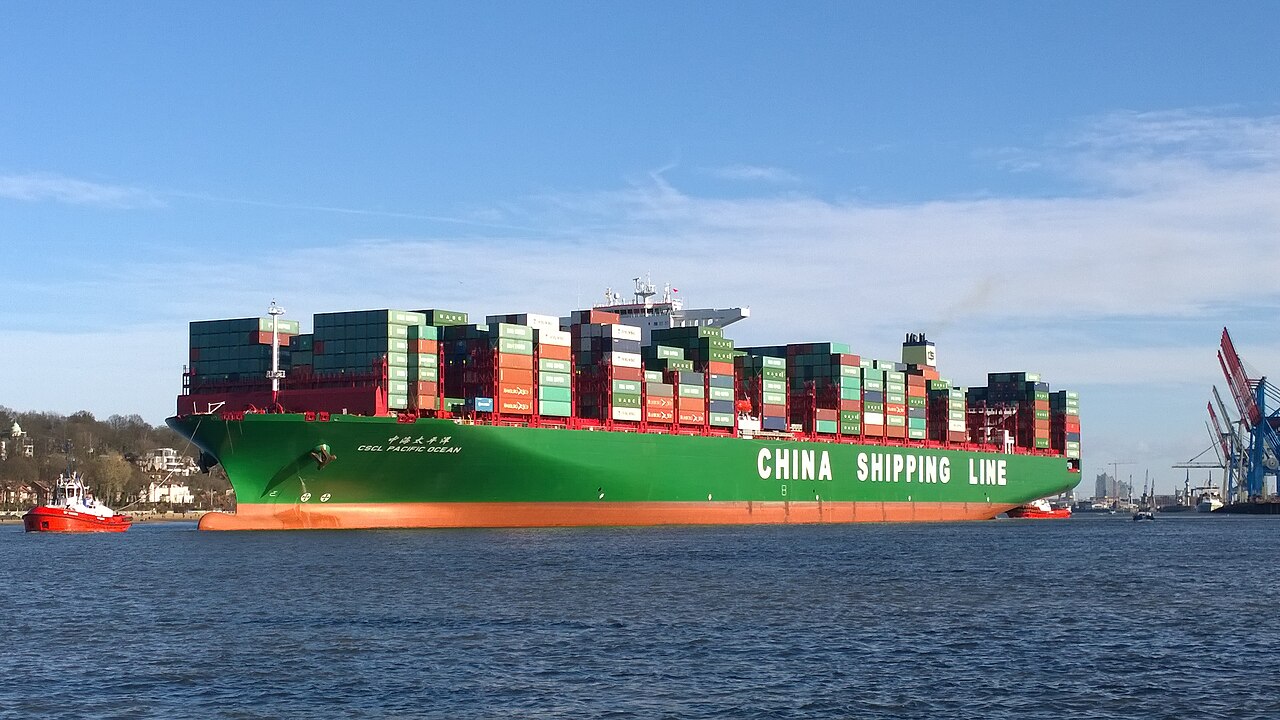
Without the second step at scale, cotton travels out for transformation and finished goods travel back. 2,900+ miles is the modeled round-trip distance used in this case.
Values illustrate how economic value can compound across the chain. Capacity statements are an industry assessment; route and price figures are modeled assumptions. Photos: Alabama Extension, USDA, Hummelhummel; production photo used with permission.
The modeled spinning value-add is created at the second step. Today, too much of that work happens after the fiber leaves the United States.

The economic story begins in the field, before any conversion value has been added.

Spinning turns cleaned fiber into consistent, usable yarn—the first major manufacturing step.
Freight and lead time enter the chain before the yarn returns to American buyers.
Fabric preparation, cutting, sewing, finishing, and retail all build on the yarn beneath them.
The choice is not whether American Pima gets spun. It is where the conversion happens—and where the value stays.
A domestic ring-spinning hub reconnects the chain at the point where value currently exits—turning Arizona cotton into American yarn before it travels to mills and brands.
The economic case is a geography decision: keep the fiber's first major transformation close to where it is grown.